A CV for an intern who is just entering the business world and a CV for a seasoned professional differ not only in content, but also in structure, language, and strategy. While intern candidates should highlight their potential, willingness to learn, and openness to growth, experienced professionals need to present measurable achievements, business impact, and career progression clearly. In this guide, you will see the differences between these two types of CVs and learn how to build a stronger CV based on your own profile.

CVs for interns and experienced candidates should be structured around different employer expectations.
Key Takeaways
-
An intern CV should focus on education, project work, willingness to learn, and potential.
-
An experienced CV should focus on measurable results, business impact, and career growth.
-
An intern CV should usually be one page, while an experienced CV can typically be 1–2 pages.
-
The importance of references and skills sections changes depending on career level.
-
Employers look for learning agility and adaptability in interns, while they expect leadership and proven impact from experienced candidates.
What to Highlight in an Intern CV
Since intern candidates usually have limited professional experience, the core of the CV should focus on academic background, project outcomes, technical skills, and motivation to grow. At this stage, employers are typically asking: “Can this candidate learn quickly, adapt to the team, and take responsibility?”
Present Academic Achievements and Projects Effectively
GPA, graduation projects, case studies, research work, and competition results can all become strong indicators of ability when presented properly. When describing projects, do not just explain what you did. Instead, focus on what problem you solved, how you approached it, and what results you achieved.
Volunteer Work and Student Club Activities
Club leadership roles, event organization, volunteer projects, social impact work, and certificates can make a candidate’s initiative, teamwork, and communication skills much more visible. These experiences should be described in short, outcome-oriented statements.
Skills and Learning Potential
In an intern CV, technical skills, tools used, foreign language proficiency, and completed courses or certifications all matter. However, this section should not be a random list. It should be aligned with the role you are applying for. Employers want to see not only what you already know, but also how open you are to learning and development.
How to Demonstrate Business Impact in an Experienced CV
For experienced candidates, listing responsibilities alone is not enough. Employers want to see direct impact. Revenue growth, cost reduction, process improvement, team performance, customer satisfaction, and efficiency gains should be supported with numbers whenever possible.
Use Measurable Achievement Language
Instead of saying “Managed the sales team,” a stronger statement would be: “Led a 12-person sales team and increased sales by 28% within 9 months.” Including percentages, timeframes, team size, and scope makes the CV more credible and persuasive.
Build a Consistent Career Story
A reverse-chronological structure is usually the safest and most effective format for experienced professionals. If role transitions show a clear and logical progression — for example, specialist, senior specialist, team leader — the CV does more than present experience; it also shows growth and increasing responsibility.
Highlight Leadership and Scope of Responsibility
As experience grows, it becomes increasingly important to show not only individual contributions but also team management, participation in decision-making, budget ownership, project leadership, and strategic input. That is why the scope of your influence should be clearly visible in an experienced CV.

HR teams look for different signals in interns and experienced professionals.
Format and Length: Intern CV vs Experienced CV
Choosing the right format increases the visibility of strong content. The wrong format, on the other hand, can make even a solid profile look weak, scattered, or less credible. For that reason, CV length, top sections, and content priorities should be planned according to career level.
| Criteria | Intern CV | Experienced CV |
|---|---|---|
| Length | Usually 1 page | Usually 1–2 pages |
| Main Focus | Education, projects, skills, potential | Work experience, achievements, impact, leadership |
| Top Section | Short career objective or profile summary | Professional summary and value proposition |
| Type of References | Academic references | Industry or professional references |
| How Achievements Are Shown | Project outcomes and initiative | Measurable results and business impact |
Quick ATS-Friendly CV Checklist
-
Use a simple, single-column layout.
-
Include keywords from the job posting naturally and appropriately.
-
Keep section headings clear: Experience, Education, Skills, Certifications.
-
Check spelling and grammar carefully before exporting your CV as a PDF.
-
Experienced candidates should include achievement metrics, while intern candidates should include project outcomes.
-
Avoid unnecessary graphics, excessive icons, and overly complex tables.
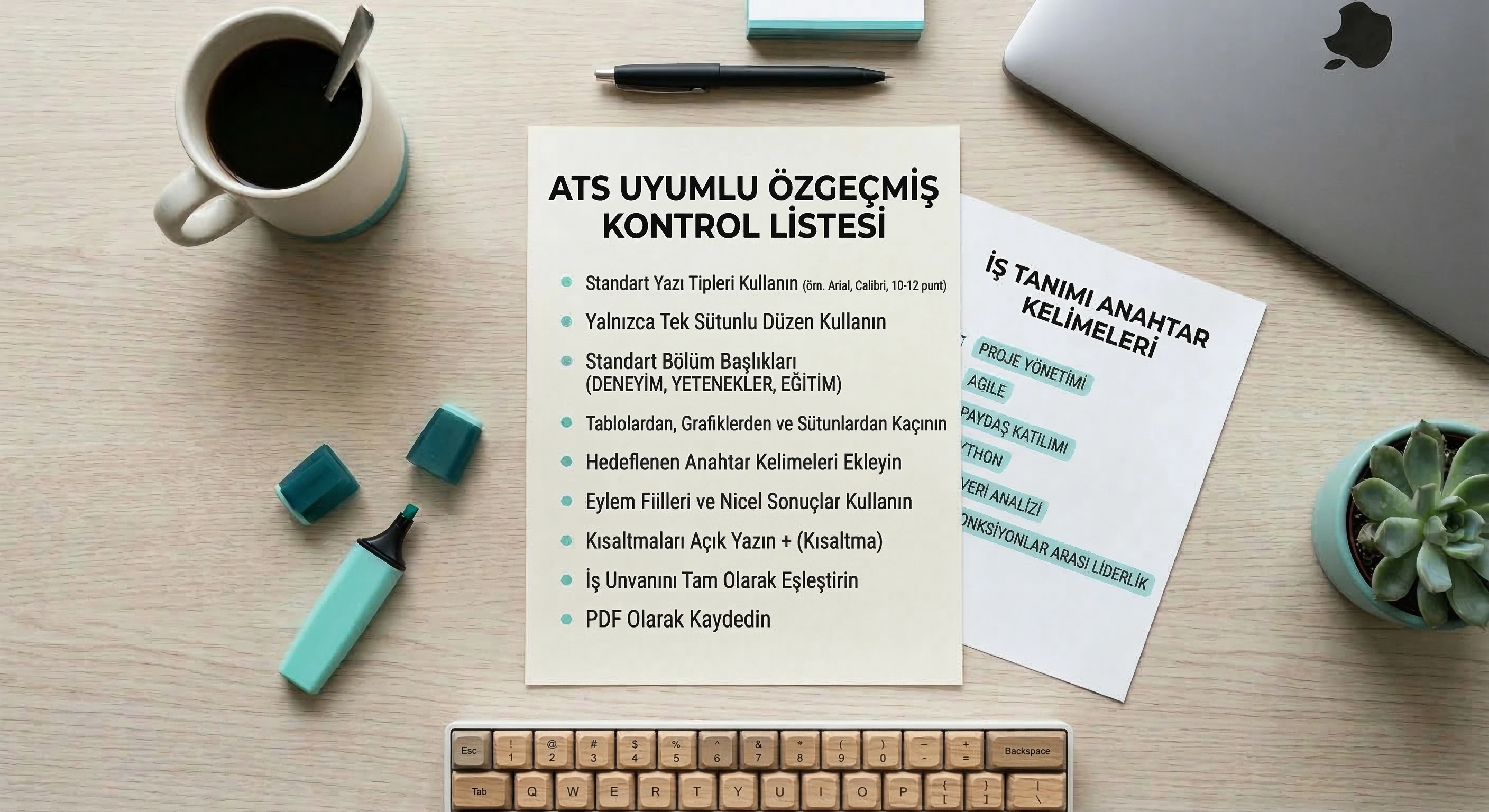
ATS compatibility increases the likelihood of your CV passing the initial screening stage.
Conclusion
Intern and experienced CVs are designed for different expectations. Intern candidates should highlight their potential, learning speed, and openness to development, while experienced professionals should clearly demonstrate measurable business impact, expertise, and career growth. Choosing a structure that fits your profile will make your CV more convincing and directly improve your chances of getting invited to an interview.
If you want to speed up the preparation process, you can use the CV builder, review package details on the pricing page, and explore the CV guide for candidates with no experience if you are at the beginning of your career.
Frequently Asked Questions
How long should an intern CV be?
In most cases, it should be one page. A short, well-structured, and focused CV looks more professional for an intern candidate.
What should I include on my CV if I have no work experience?
You should definitely include course projects, student club activities, volunteer work, certificates, technical skills, and any short-term experience if available.
What is the most important section in an experienced CV?
The work experience section is the most critical. However, it should not simply list responsibilities. It should be written in a results-oriented way and ideally supported with metrics.
Is it a good idea to use tables in an ATS-friendly CV?
A simple structure is usually safer for ATS systems. Minimal and well-organized tables can work, but excessive visual complexity is not recommended.
Can interns and experienced candidates use the same CV template?
Yes, they can. However, the content priorities should be different. Education and projects should stand out for interns, while impact, achievements, and work experience should be more visible for experienced candidates.