
If you have been applying for jobs for a while and still are not getting responses, the problem may not always be a lack of experience or the wrong career choice. Sometimes the issue is much simpler and hidden in one critical place: the way your resume is presented. Even if you have strong qualifications, a poorly prepared resume can get you rejected before your profile is properly reviewed.
Today, hiring processes move faster than ever. HR specialists and hiring managers often spend only a few seconds on their first review of a resume. If your CV looks cluttered, generic, difficult to scan, or unprofessional in that short window, it can be rejected without a deeper look.
In this guide, we will walk through the 5 deadly resume mistakes that often hurt job applications, why these mistakes reduce your interview chances, and how you can fix each one step by step. If you want to create a cleaner and more professional resume faster, you can also use the resume builder.
Key Takeaways
Spelling and grammar mistakes create a negative impression about your attention to detail and professionalism.
Listing duties alone is not enough; showing achievements and results makes your resume much stronger.
A cluttered format and poor readability can cause even strong content to be overlooked.
Using the same generic resume for every job application weakens your performance in both ATS systems and human review.
Unnecessary personal details waste space, while missing contact information can directly cost you opportunities.
1. Spelling Errors and Poor Grammar
Spelling mistakes on a resume may seem minor, but their impact is significant. Hiring professionals do not see language quality as just a technical detail. They often read it as a sign of your level of care, attention, and seriousness about the role.
For example, writing “I pay close attention to detail” while making an obvious spelling mistake elsewhere in the same document weakens your message immediately. These kinds of inconsistencies can be especially damaging for office roles, customer-facing jobs, administrative positions, sales, and other professional environments.
The problem is not limited to spelling alone. Poor punctuation, inconsistent capitalization, sentence fragments, and awkward phrasing can also make your resume look unpolished.
How to Fix It
Do not send your resume immediately after finishing it. Review it again a few hours later or, if possible, the next day.
Read the text out loud to catch awkward wording and grammar issues.
Ask a trusted friend or mentor to proofread it for you.
Use digital spelling and grammar checking tools before submitting it.

2. Listing Duties Instead of Showing Achievements
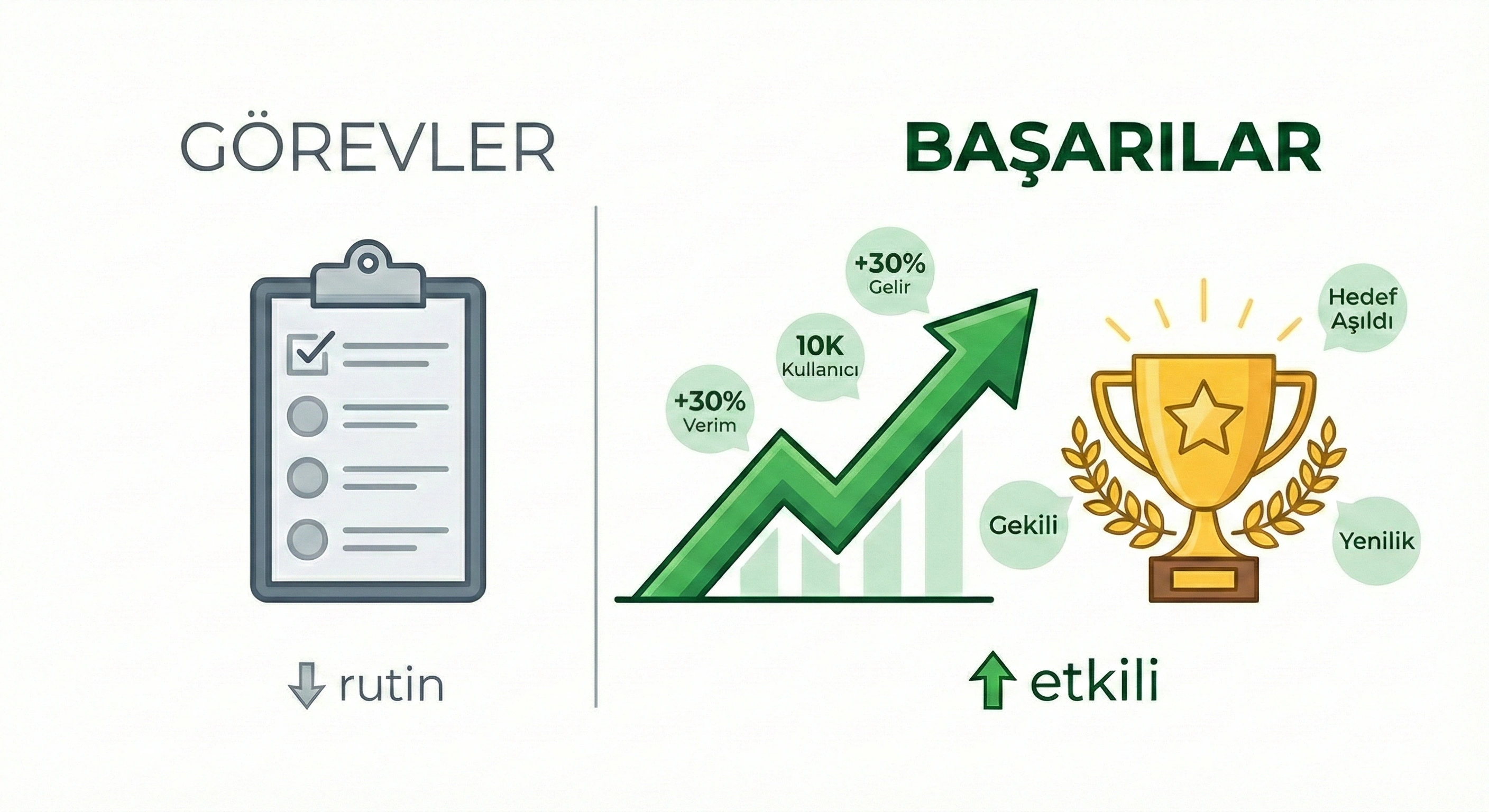
One of the most common resume mistakes is turning the work experience section into nothing more than a list of job duties. Statements like “prepared reports,” “handled customer calls,” or “supported team tasks” explain what you did, but they do not show how well you did it.
What hiring managers really want to see is not only your responsibilities, but also the value you created while performing them. Job duties are often similar across candidates. What sets you apart is the impact you made.
Weak version: “Managed social media accounts.”
Strong version: “Restructured the content plan, increased engagement within 6 months, and contributed to organic follower growth.”
This approach can make a major difference in sales, marketing, project management, operations, customer experience, and analytical roles. Using numbers, percentages, timelines, and concrete results makes your resume much more persuasive.
How to Fix It
For every work experience bullet, ask not only “What did I do?” but also “What result did I achieve?”
Whenever possible, use measurable outcomes such as percentage growth, time savings, team contribution, or target completion.
Use stronger action verbs such as developed, optimized, improved, increased, managed, and coordinated.
If you are unsure how to position your experience effectively, you can also read our guide on the differences between intern and experienced resumes.
3. Poor Formatting and Readability Problems
Your resume content may be strong, but if the presentation is weak, it may never get read. Cluttered typography, dense layout, long text blocks, inconsistent spacing, and visually overwhelming design choices all reduce the professional impact of your CV.
A good resume should make information easy to scan. In just a few seconds, a hiring professional should be able to understand who you are, what area you work in, and why you may be a suitable candidate. Any design choice that makes this harder lowers your chances of getting a response.
For a Clean and Professional Resume Format
Use one readable and consistent font.
Leave balanced spacing between headings and content.
Use short bullet points instead of long paragraphs.
Do not fill the entire page with text; leave enough white space.
Avoid overly complex designs if you want better ATS compatibility.
Instead of building everything from scratch, you can save time by starting with professional resume templates.
4. Using the Same Generic Resume for Every Job
Preparing one resume and sending it to every job posting is one of the most common strategic mistakes in the job application process. Every role has different expectations, required skills, and priority keywords.
For example, a sales role may prioritize customer relationships, target achievement, and persuasion skills, while an operations role may value process management, planning, and reporting more heavily. Using the same resume everywhere can hide the strengths that matter most for a specific position.
This does not only hurt you in human review. It can also reduce your chances in ATS systems. If the keywords and skills from the job description are not reflected naturally in your resume, your application may get filtered out early.
How to Fix It
Analyze the job description carefully, including responsibilities and required qualifications.
Adjust your professional summary based on the role you are applying for.
Highlight the most relevant achievements in your experience section.
Add job-relevant keywords naturally to your skills section.
If you have limited experience and are unsure which sections to emphasize, you can also check our resume guide for candidates with no experience.

5. Adding Unnecessary Personal Details or Leaving Out Essential Ones
The purpose of a modern resume is to present the information that is actually relevant to the hiring decision. However, many candidates still include unnecessary details such as full home address, national ID number, place of birth, or marital status. These details are usually not needed and only take up valuable space.
More importantly, they may create privacy and data security risks. On the other hand, some candidates make the opposite mistake and leave out the most basic contact details. A resume without a phone number, professional email address, or LinkedIn profile can directly cost you opportunities.
What Information Should Be Included?
Full name
Phone number
Professional email address
City
LinkedIn profile
Simple rule: If a personal detail does not support a hiring decision, leave it out.
Quick Resume Checklist
Did I check spelling and punctuation one last time?
Did I focus on results instead of only listing duties?
Is my resume layout simple, readable, and clean?
Did I tailor the content to the specific job posting?
Are my contact details complete and professional?
Conclusion: Small Resume Mistakes Can Cost Big Opportunities
Many resume mistakes go unnoticed by candidates, but they can have a major impact during the hiring process. Spelling errors, generic descriptions, poor formatting, untailored content, and unnecessary personal details can prevent even strong candidates from getting callbacks.
A strong resume does not guarantee the job, but it significantly increases your chances of landing an interview. The goal is not just to fill out a document, but to present a professional, clear, and trustworthy profile within a few seconds.
If you want to create a cleaner and more professional resume faster, you can use the resume builder and review available packages on the pricing page.
Frequently Asked Questions
What is the most common resume mistake?
One of the most common mistakes is listing only job duties instead of showing achievements. Combined with spelling issues and poor formatting, this can significantly weaken a resume.
Do spelling mistakes on a resume really matter?
Yes. Especially in roles that require attention to detail, structure, and communication, spelling mistakes can create a negative first impression.
Can I send the same resume to every job posting?
You can, but this usually leads to lower response rates. Tailoring your resume to each role gives better results.
What personal details are unnecessary on a resume?
Details such as national ID number, full home address, marital status, and place of birth are considered unnecessary on most modern resumes.
How do I make my resume ATS-friendly?
Use a clean format, clear headings, relevant keywords from the job posting, and a simple structure without unnecessary design complexity.