
When applying for accounting jobs, having a strong resume is just as important as your technical knowledge. Employers are not only looking for candidates who can use accounting software or handle basic bookkeeping tasks, but also for professionals who are careful, organized, reliable, and strong in reporting. That is why simply listing your work experience is not enough when creating an accountant resume. You need to present your qualifications with the right structure, the right language, and the right examples.
Hiring professionals in accounting roles usually pay close attention to areas such as financial record management, invoice processing, accounts receivable and payable tracking, tax-related processes, bookkeeping knowledge, accounting software proficiency, and attention to detail. If your resume does not reflect these expectations clearly, it may not look strong enough even if you have relevant experience.
In this guide, we will go through how to write an accountant resume step by step. We will cover which sections should be included, how to present accounting-specific skills, how to strengthen your experience section, and which common mistakes you should avoid. If you want to create your resume faster and in a more professional format, you can use the resume builder.
Key Takeaways
The most important elements of an accountant resume are accuracy, attention to detail, reporting skills, and software proficiency.
Instead of listing duties only, showing the scope of your work and your contribution makes your resume much stronger.
Areas such as bookkeeping, general accounting, financial reporting, and tax processes should be highlighted based on the job you are applying for.
A clean, simple, and ATS-friendly structure helps an accountant resume perform better during initial screening.
Unnecessary personal details, overly visual layouts, and generic statements can weaken the professionalism of your resume.
What Do Employers Look for in an Accountant Resume?
Accounting is a field where the margin for error is low and trust is highly important. For this reason, employers pay attention not only to where you worked, but also to how you worked. A well-written accountant resume should answer questions like these:
How familiar is this candidate with accounting processes?
Can they handle financial records, invoices, account tracking, and document management in an organized way?
Can they use accounting software effectively?
Do they have knowledge of tax, payroll, e-invoice, and e-archive processes?
Can they contribute to reporting and analysis?
That is why the goal of an accountant resume is not just to list information, but to present a reliable and organized professional profile.
What Sections Should an Accountant Resume Include?
An effective accountant resume usually includes the following sections:
Contact information
Short professional summary
Work experience
Education
Technical skills and accounting software
Certifications and additional training
Languages and additional information
If you have limited experience, your education, internships, and skills sections can be made more visible. You can also check the resume guide for candidates with no experience.
1. Start with a Strong Professional Summary
The professional summary is one of the most important parts of a resume because it introduces you in just a few sentences. In accounting, this section should briefly but effectively show your experience level, area of expertise, software knowledge, and strongest professional qualities.
A weak summary is usually too generic:
“I want to work in accounting. I am eager to learn and take responsibility.”
A stronger summary shows both your background and the value you offer:
“I am an accounting professional with 3 years of experience in bookkeeping and general accounting processes. I have actively handled invoice processing, account tracking, bank transactions, e-invoice operations, and monthly reporting. With strong knowledge of Logo and Mikro software, attention to detail, and a disciplined work ethic, I aim to contribute effectively to the accounting team.”
This section should always be tailored to the role you are applying for. If you are applying for a bookkeeping role, emphasize account tracking and invoice processes. If you are applying for a general accounting role, make reporting, accounting records, and closing processes more visible.

2. Show Your Contribution, Not Just Your Duties
One of the most common mistakes in accountant resumes is turning the experience section into a simple task list. Statements like “issued invoices,” “tracked accounts,” or “handled bank transactions” explain what you did, but they do not show how effectively you worked.
A stronger experience section should combine responsibilities with scope and results.
Weak example: “Handled invoice entry and exit transactions.”
Strong example: “Managed daily invoice entries and outgoing invoices in an organized manner, supported accurate account tracking, and ensured documents were completed on time during monthly closing periods.”
Areas you can highlight in an accountant resume experience section:
Invoice entry and processing
Account reconciliation
Bank transactions and cash tracking
E-invoice, e-archive, and e-delivery note processes
Support for VAT, withholding tax, SGK, or BA/BS processes
Payroll preparation or attendance tracking support
Monthly reporting and document control
Organizing accounting records
The key here is to match your experience with the position you are applying for. Using relevant keywords naturally in your experience section makes your resume stronger for both hiring professionals and ATS systems.
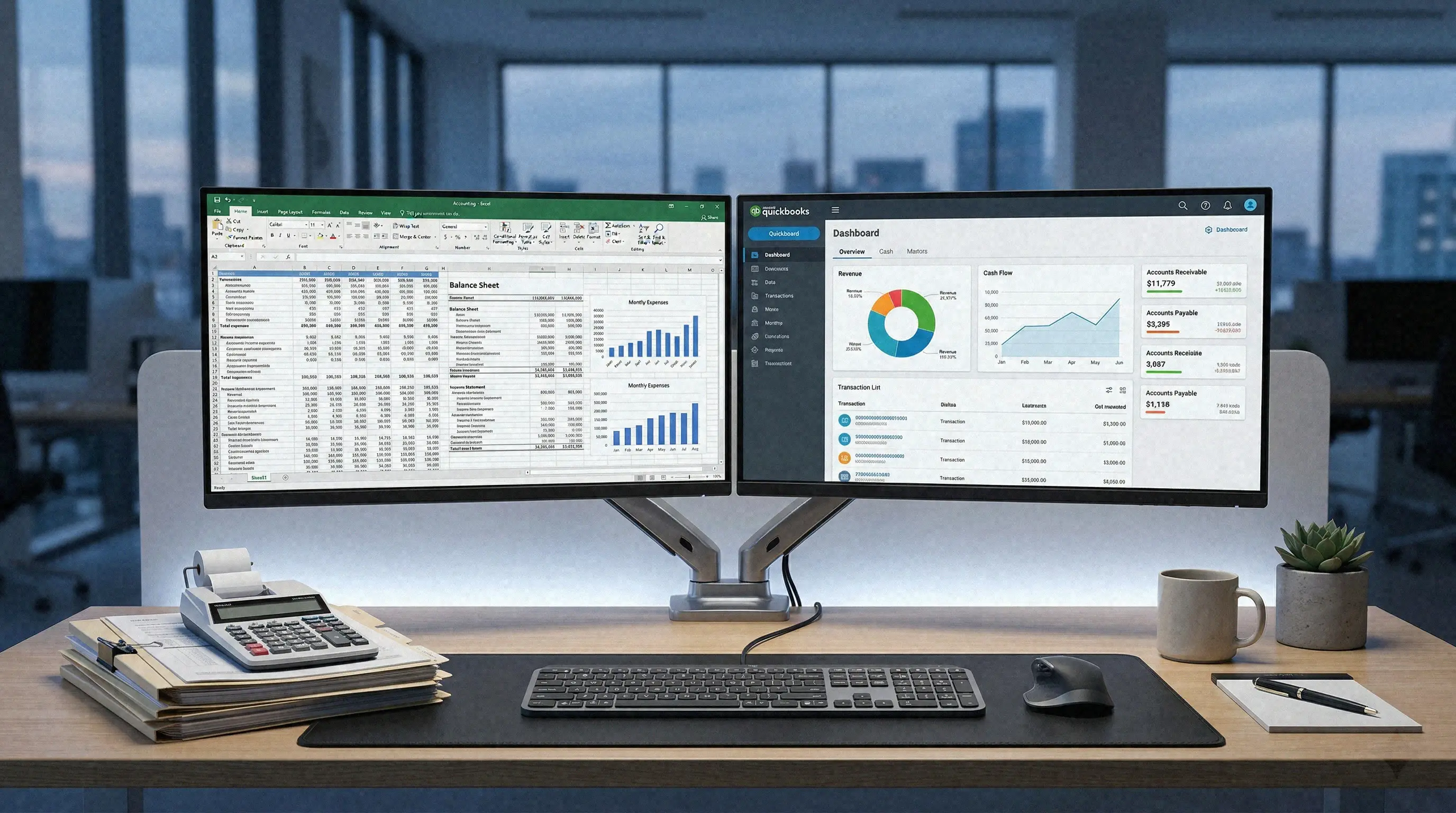
3. Clearly List Accounting Software and Technical Skills
The technical skills section is especially important in an accountant resume. Employers want to see quickly which tools you can use and which processes you are technically capable of handling. That is why this section should be specific and well organized instead of filled with vague statements.
Example technical skills:
Logo Tiger / Logo Go
Mikro Accounting
Zirve Accounting
Eta SQL
MS Excel
E-invoice / E-archive / E-delivery note processes
Account tracking
Bank and cash transactions
Payroll and attendance support
Financial data reporting
Example soft skills:
Attention to detail
Organized document tracking
Time management
Confidentiality awareness
Analytical thinking
Taking responsibility
The clearer your technical skills are, the more professional your resume looks. In most accounting job postings, Excel skills, reporting ability, and experience with accounting software are among the most noticeable qualifications.
4. Use the Education and Certifications Section Effectively
The education section in an accountant resume should not be limited to just listing your school name. Especially for recent graduates or candidates with limited experience, this section can become one of the strongest parts of the resume. If you graduated in business administration, economics, finance, accounting, or a related field, make that visible.
Certifications in accounting also add value to your resume. For example:
General accounting training
Bookkeeping training
Logo / Mikro / Eta software training
Excel training
Payroll and SGK training
E-invoice and digital accounting systems training
If your experience is limited, courses and practical training can make your resume look more complete and more serious.
5. Use a Simple, Clean, and ATS-Friendly Format
Professional presentation is very important in accounting roles. That is why your resume design should be simple, organized, and easy to read. Overly colorful, multi-column, or distracting layouts are usually not suitable for positions that require discipline and order.
Use a single-column and simple layout.
Write section headings clearly.
Use short bullet points instead of long paragraphs.
Save the file with a professional name such as
name-surname-accountant-resume.pdfSend your resume in PDF format whenever possible.
To improve ATS compatibility, naturally include keywords such as “bookkeeping,” “general accounting,” “account tracking,” “e-invoice,” “Excel,” “Logo,” “reporting,” and “invoice processing” based on the job posting.
Common Mistakes in an Accountant Resume
1. Using Very Generic Statements
Vague phrases like “I know accounting” or “I know office programs” are too weak. Clearly state which software you use and at what level.
2. Writing Only a Task List
Filling the experience section only with job duties makes you look average. Show both your responsibilities and your contribution.
3. Including Unnecessary Personal Information
Details such as ID number, full address, or marital status are usually unnecessary. Only professional contact information should appear on the resume.
4. Spelling Errors and Poor Formatting
Since attention to detail is critical in accounting, spelling mistakes and a messy layout can create a negative impression very quickly. You can also review 5 deadly CV mistakes that ruin your job applications.
5. Adding Irrelevant Skills
Listing too many skills that are not directly related to the role can hide your actual strengths.

Sample Professional Summary for an Accountant Resume
“I am an accounting professional with 2 years of bookkeeping experience, actively involved in invoice processing, account tracking, bank transactions, and e-invoice operations. With strong Logo and Excel skills, attention to detail, and solid reporting ability, I aim to contribute to the accounting department in a reliable and organized way.”
Quick Checklist for an Accountant Resume
Does my professional summary clearly describe my accounting background and strengths?
Does my experience section show not only duties but also contribution and scope?
Did I clearly list the accounting software I use?
Did I make my education and certifications visible enough?
Is my resume clean, organized, and ATS-friendly?
Did I check for spelling and grammar mistakes?
Conclusion: A Good Accountant Resume Should Create a Sense of Trust and Order
The main goal when preparing an accountant resume is not only to show your experience, but also to reflect your discipline and reliability. With a clean structure, clear wording, relevant keywords, and role-specific technical skills, your resume can become much stronger.
For accounting candidates, a simple, professional, and results-focused resume can significantly increase the chance of getting an interview. If you want to build your resume faster, you can use the resume builder and review available plans on the pricing page.
Frequently Asked Questions
What skills should an accountant resume include?
Skills such as Excel, Logo, Mikro, Eta, account tracking, invoice processing, e-invoice operations, reporting, and attention to detail should be clearly visible.
Can I use the same resume for bookkeeping and general accounting roles?
The overall structure can be similar, but you should always tailor the experience and skills you highlight according to the job posting.
What should a recent graduate highlight in an accountant resume?
Education, internships, accounting software knowledge, Excel skills, certifications, and practical coursework should be emphasized.
How long should an accountant resume be?
For most candidates, one page is enough. With more experience, two pages can work, but the resume should not be extended with unnecessary detail.
Should an accountant resume include a photo?
This can vary depending on the company and industry. However, the most important thing is that the resume is professional, clean, and easy to read.